
Anúncios
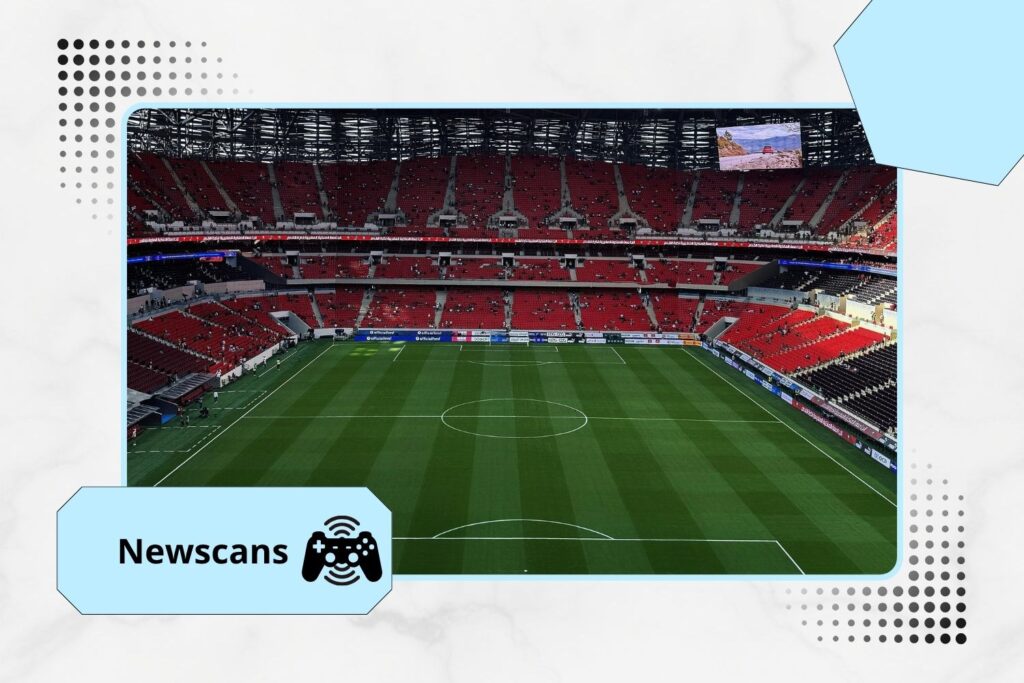
The next World Cup promises a different experience compared to previous tournaments. Streaming platforms continue evolving, mobile apps now deliver personalized notifications, and artificial intelligence already changes how fans follow matches in real time.
At the same time, many users still feel confused about which apps truly work, which platforms offer legal broadcasts, and what features will likely dominate the tournament in 2026. Because of this, understanding how these apps operate became essential for anyone who wants a complete football experience.
Why Mobile Apps Became Essential For Football Fans
Watching football no longer depends exclusively on television. Smartphones transformed the way people consume sports content, especially younger audiences who prefer flexibility and instant access.
Many fans now watch matches while commuting, working, traveling, or studying. Because of this behavior, sports apps started investing heavily in stable streaming, quick loading speeds, and interactive features.
Another important factor involves convenience. Instead of searching for schedules on websites, users receive notifications seconds before kickoff. Some apps even suggest important matches based on favorite teams or previous viewing habits.
Anúncios
The 2026 World Cup should amplify this trend dramatically. Since the tournament will involve more teams and a larger schedule, mobile apps may become the easiest way to follow everything efficiently.
How Streaming Apps Actually Work
Many users think streaming apps simply “play videos,” but the process behind them involves several advanced systems working simultaneously.
When a football match gets transmitted, cameras capture the action from multiple angles. The video then travels to broadcasting centers, where companies compress and distribute the signal through internet servers worldwide.
Anúncios
The app on your phone receives small packets of data continuously. Your device instantly organizes these packets and converts them into live video playback.
Modern streaming platforms also use adaptive bitrate technology. This means the app automatically changes video quality depending on internet speed. If the connection weakens, the resolution decreases temporarily to avoid interruptions.
This system explains why many apps can continue running even on unstable mobile networks.
The Growth Of Official Sports Platforms
One major change expected for the 2026 World Cup involves the increasing dominance of official streaming platforms.
Years ago, fans relied heavily on traditional television channels. Today, sports organizations and broadcasters increasingly launch their own apps to control content distribution directly.
This shift creates several advantages for users:
| Feature | Benefit For Fans |
|---|---|
| Personalized notifications | Faster match reminders |
| Multi-camera options | Better viewing experience |
| Real-time statistics | More interactive broadcasts |
| On-demand highlights | Quick access after matches |
| Language customization | Better accessibility |
Official apps also tend to provide higher image quality and greater security compared to unofficial alternatives.
Why Illegal Streaming Apps Continue Appearing
Even with better official services, unofficial streaming apps still attract millions of users worldwide.
Most of these platforms promise free access to premium matches. However, many operate in unstable or unsafe environments. Some include excessive advertising, hidden malware, or fake download buttons.
Security specialists frequently warn users about these risks because malicious apps can collect personal data, passwords, and browsing information.
Another problem involves instability. Illegal streams often disappear during major matches due to copyright enforcement or overloaded servers.
Because of this, many fans now prefer legal alternatives that provide stable broadcasts and safer user experiences.
Artificial Intelligence Is Changing Sports Apps
Artificial intelligence already influences modern football apps in several ways, and this trend should become even stronger during the 2026 World Cup.
Some platforms use AI to recommend highlights based on favorite teams or players. Others generate automatic summaries minutes after matches finish.
Voice assistants inside sports apps also continue improving. Instead of manually searching for results, users can simply ask questions such as:
“Who scored for Brazil?”
“What time does the next match start?”
“Show today’s standings.”
AI systems can also identify the most exciting moments of a game automatically. This technology helps create instant highlight clips for social media and mobile notifications.
In the future, some apps may even generate personalized match recaps based on the user’s interests.
The Importance Of Fast Internet Connections
Streaming quality depends heavily on internet stability. Although modern apps became more efficient, live sports still require consistent bandwidth.
A football match contains constant movement, rapid camera changes, and detailed visuals. Because of this, sports streams usually demand more data than standard videos.
Many streaming platforms now support 4K broadcasts, which require even faster internet connections.
Here is a simple comparison:
| Streaming Quality | Recommended Speed |
|---|---|
| Standard Definition | 5 Mbps |
| HD Streaming | 10 Mbps |
| Full HD | 15 Mbps |
| 4K Streaming | 25 Mbps or more |
The expansion of 5G networks may significantly improve mobile sports viewing before the 2026 World Cup begins.
Why Notifications Became One Of The Most Important Features
One surprisingly powerful feature inside football apps involves notifications.
Fans no longer want to miss goals, penalties, substitutions, or match results. Because of this, apps increasingly focus on delivering instant alerts.
Some modern sports apps already allow highly customized notifications. Users can choose:
| Notification Type | Example |
|---|---|
| Goals | Immediate score updates |
| Match start | Kickoff reminders |
| Red cards | Discipline alerts |
| Penalties | Important match events |
| Highlights | Video summaries |
This personalization helps fans avoid unnecessary notifications while still following important events.
Multi-Screen Viewing Is Becoming More Popular
Another growing trend involves multi-screen experiences.
Some users watch matches on television while simultaneously using apps for statistics, social media reactions, and tactical analysis.
Certain platforms already synchronize live broadcasts with second-screen content. During a match, fans can view heat maps, player performance data, possession statistics, and replay angles directly on their phones.
This creates a more immersive experience, especially for younger audiences who enjoy interacting with content rather than simply watching passively.
The 2026 World Cup could push this trend even further.
Social Media Integration Continues Expanding
Sports apps increasingly connect with social platforms to keep audiences engaged during matches.
Fans now share reactions instantly through clips, polls, predictions, and live discussions.
Some apps even include integrated chat systems where supporters can interact while matches happen.
This social component became extremely important because many people no longer experience football alone. Watching matches evolved into a shared online event involving memes, reactions, predictions, and discussions.
Because of this, many streaming platforms now design features specifically for viral moments.
Cloud Technology Helps Apps Handle Massive Audiences
The World Cup generates enormous internet traffic. Millions of viewers often access the same match simultaneously.
Without cloud infrastructure, many apps would simply crash under this pressure.
Cloud systems allow streaming services to distribute demand across multiple servers worldwide. If traffic increases suddenly, additional resources activate automatically.
This scalability became essential for large sports events.
Companies investing heavily in cloud technology usually provide smoother broadcasts and fewer interruptions during important matches.
Why Battery Optimization Matters During Live Matches
Many fans forget that live sports streaming can drain smartphone batteries quickly.
Watching matches for several hours consumes significant power because apps continuously process video, internet data, and screen brightness.
Developers now invest heavily in battery optimization features.
Some apps automatically reduce background activity during streams. Others lower unnecessary animations or adjust refresh rates to save energy.
Portable chargers may also become increasingly common during the 2026 World Cup, especially among users watching matches outside their homes.
Regional Restrictions Still Affect Streaming Availability
One issue that frustrates many fans involves geographic restrictions.
Broadcast rights differ between countries, which means certain apps may work in one region but remain unavailable elsewhere.
This situation happens because media companies negotiate exclusive contracts for specific territories.
As a result, users traveling internationally sometimes lose access to their favorite sports platforms temporarily.
Some companies now attempt to simplify this system through global partnerships, but regional licensing remains a major challenge in sports broadcasting.
The Rise Of Short-Form Football Content
Not every fan watches full matches anymore.
Many younger users prefer quick highlights, short clips, and instant recaps optimized for mobile devices.
Because of this trend, sports apps increasingly produce vertical videos and condensed highlights lasting only a few minutes.
This style matches modern viewing habits shaped by social media platforms.
The 2026 World Cup may become one of the most mobile-oriented tournaments ever, especially regarding short-form football content.
Security And Privacy Concerns Continue Growing
As sports apps collect more user information, privacy concerns also increase.
Many platforms gather viewing habits, location data, favorite teams, and interaction patterns to personalize experiences.
While personalization improves convenience, users should still pay attention to permissions requested during installation.
Important precautions include:
| Safety Tip | Reason |
|---|---|
| Download from official stores | Reduces malware risks |
| Avoid suspicious APK files | Protects personal data |
| Review app permissions | Limits unnecessary access |
| Use strong passwords | Improves account security |
| Enable two-factor authentication | Prevents unauthorized access |
Security will likely remain one of the biggest discussions surrounding digital sports platforms in the coming years.
Why Match Statistics Became So Popular
Football fans increasingly enjoy data-driven experiences.
Years ago, most viewers simply watched matches casually. Today, many users follow advanced statistics during every minute of the game.
Apps now display:
| Statistic Type | Purpose |
|---|---|
| Possession percentage | Team control analysis |
| Expected goals | Scoring probability |
| Passing accuracy | Team efficiency |
| Distance covered | Player physical performance |
| Shot maps | Offensive visualization |
This information creates a more analytical experience for fans who enjoy tactical details.
Some younger audiences even follow statistics as closely as the matches themselves.
Voice Commentary Options Continue Growing
Language accessibility became a huge priority for global streaming services.
Many modern sports apps now offer multiple commentary options for the same match. Users can switch languages instantly without changing platforms.
Some companies also experiment with alternative commentary styles.
Instead of traditional broadcasters, certain streams include influencers, former athletes, or fan-focused commentary teams designed for younger audiences.
This diversity helps platforms attract viewers with different preferences.
Augmented Reality Could Change Football Viewing
Augmented reality may become one of the most interesting technologies connected to the 2026 World Cup.
Some experimental sports apps already test AR overlays during live broadcasts.
For example, users may point their phones at the television and instantly see player statistics, tactical formations, or live data projected on the screen.
Although this technology still evolves, companies continue investing heavily in interactive experiences.
If AR tools become more stable before 2026, football viewing could feel dramatically different from previous tournaments.
Subscription Models Are Rapidly Changing
Sports streaming platforms constantly experiment with new pricing strategies.
Some services offer monthly subscriptions, while others provide match-specific access or free ad-supported viewing.
This flexibility exists because audiences now consume content differently.
Not every fan wants a long-term subscription. Some users only care about major tournaments like the World Cup.
Because of this, companies increasingly create temporary packages focused on special events.
Competition between streaming services may also generate more affordable options for viewers.
Why Younger Audiences Watch Football Differently
Younger viewers often consume football content differently from previous generations.
Many prefer highlights, social clips, live reactions, and quick updates instead of full-length broadcasts.
This behavior pushes apps to create faster and more dynamic experiences.
Some platforms already prioritize short videos on their homepages because they generate higher engagement among mobile users.
Traditional broadcasters increasingly adapt to these changing habits.
The Psychological Impact Of Live Notifications
Interestingly, live sports notifications also influence emotional engagement.
Instant alerts create excitement and anticipation even when users cannot watch matches directly.
A single goal notification can trigger immediate curiosity and encourage viewers to open the app.
Sports companies carefully design these alerts to maximize emotional reactions and platform engagement.
This psychological strategy became a powerful tool in modern sports media.
Sustainability And Digital Streaming
Environmental discussions now affect technology companies across multiple industries.
Streaming services increasingly invest in energy-efficient servers and optimized data delivery systems.
Although digital viewing reduces some traditional broadcasting costs, large-scale streaming still requires massive infrastructure.
Some companies now promote sustainability initiatives connected to cloud operations and energy consumption.
This topic may become more visible as global sporting events continue expanding digitally.
The 2026 World Cup Could Redefine Sports Streaming
The next World Cup may become one of the most technologically advanced tournaments in football history.
Fans will likely experience smarter apps, faster streams, deeper personalization, stronger interactivity, and broader mobile integration than ever before.
The competition between streaming platforms should accelerate innovation rapidly.
Companies know that football audiences expect speed, convenience, and immersive experiences across every device.
As technology evolves, sports apps may transform from simple streaming tools into complete digital entertainment hubs designed entirely around fan engagement.
Créditos: 1Click Guides
Veja mais aqui! Acesse também nossas Categorias!


 English